Supplements to Take with Wegovy: Correlating Biomarkers
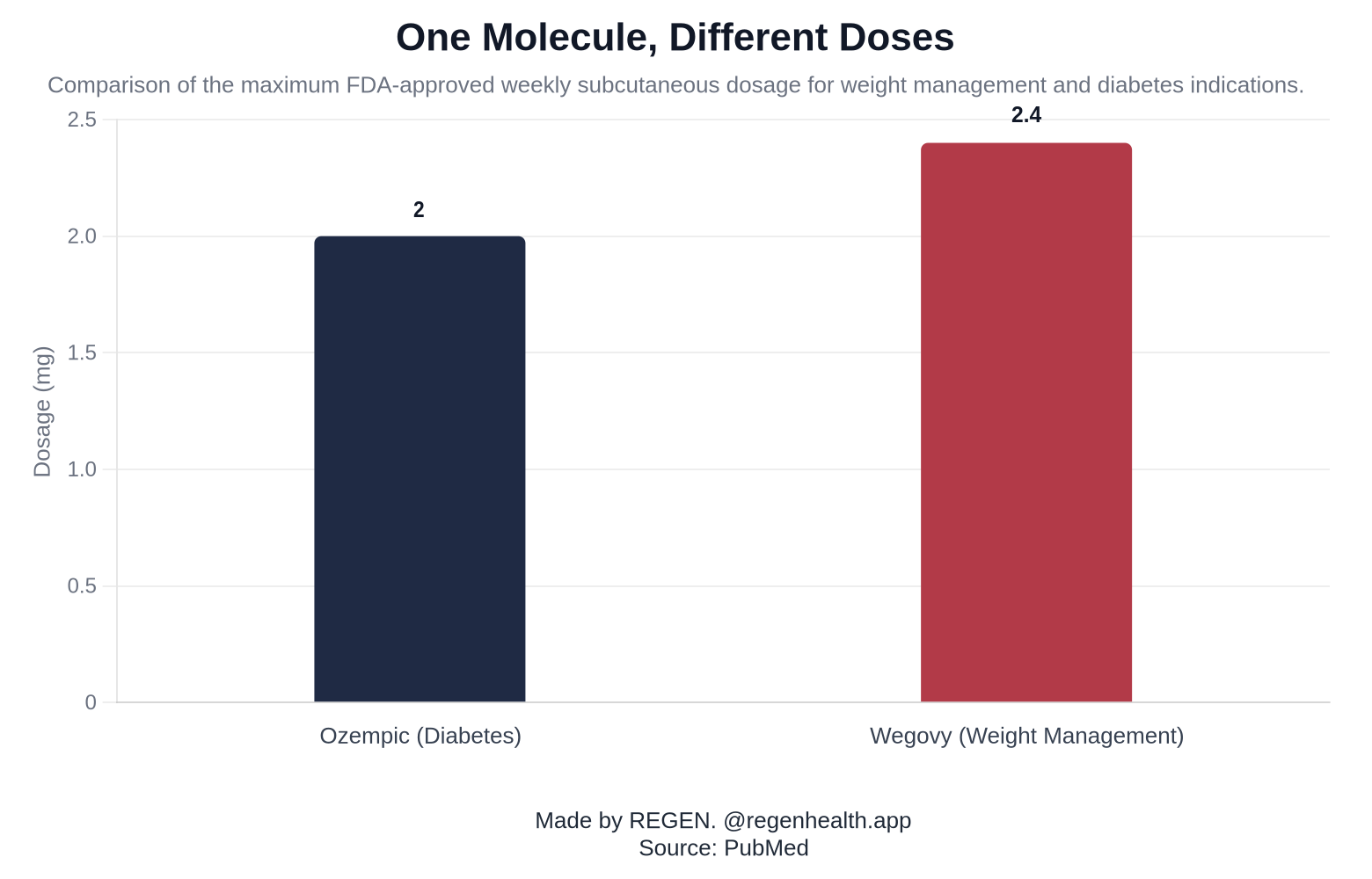
Wegovy and Ozempic both utilize the active molecule semaglutide, a glucagon-like peptide-1 (GLP-1) receptor agonist. Clinical data demonstrate that weekly subcutaneous semaglutide alters body mass and influences cardiovascular outcomes in specific adult populations, necessitating careful monitoring of metabolic markers.
Semaglutide for weight management
Wegovy contains semaglutide and is classified as a new weight loss drug for chronic weight management. The compound functions as a glucagon-like peptide-1 receptor agonist that regulates appetite and metabolic processes. Rather than acting as a static intervention, the molecule induces continuous physiological shifts that require precise evaluation of body composition over time.
Clinical observation indicates that the pharmacological mechanisms driving weight reduction also initiate profound changes in nutrient utilization. Managing these shifts involves tracking individual metabolic responses rather than applying a fixed regimen. Evaluators monitor how the compound alters baseline metabolic rates and adjust nutritional intake based on objective clinical measurements.
Cardiovascular outcomes in adults
Semaglutide, a glucagon-like peptide-1 receptor agonist, has been shown to reduce the risk of adverse cardiovascular events in patients with diabetes. Evaluating this mechanism outside of diabetic populations requires structured, event-driven superiority trials. Researchers focus on identifying whether the systemic alterations induced by the compound translate to broad cardiovascular risk reduction.
To establish these outcomes, researchers conducted a multicenter, double-blind, randomized, placebo-controlled, event-driven superiority trial that enrolled patients 45 years of age or older who had preexisting cardiovascular disease and a body-mass index in the overweight or obesity range. This research aims to determine the extent of cardiovascular risk mitigation in the absence of diabetes, informing clinical applications and cardiovascular tracking.
STEP 2 trial in diabetes
The metabolic evaluation of the molecule heavily relies on data gathered during rigorous phase 3 clinical trials. Specifically, researchers measured the clinical effects of semaglutide 2.4 mg once a week in adults with overweight or obesity, and type 2 diabetes. This randomised, double-blind, double-dummy, placebo-controlled trial provided quantitative baseline data on how the drug interacts with existing metabolic dysfunction.
Observations from this trial underscore that pharmacological intervention in diabetic populations yields distinct trajectories of metabolic change. Tracking lipid panels, inflammatory markers, and glucose regulation forms the foundation of modern clinical approaches. This phase 3 data establishes that treatment requires dynamic measurement of biological markers rather than assumptions about metabolic health.
Weight loss maintenance in adults
Long-term application of semaglutide necessitates an understanding of how the body responds to continued pharmacological exposure. The STEP 4 randomized clinical trial evaluated the effect of continued weekly subcutaneous semaglutide vs placebo on weight loss maintenance in adults with overweight or obesity. The findings indicate that continuous therapeutic intervention directly influences the preservation of reduced body mass.
Sustaining body mass reductions introduces continuous metabolic stressors, altering how the body processes macro and micronutrients. The trial results emphasize that cessation or alteration of the weekly dosing schedule produces measurable shifts in metabolic stability. Consequently, clinicians monitor patient data to correlate continuous administration with sustainable body composition outcomes.
Supplements to take with wegovy
Determining the proper supplements to take with wegovy requires correlating known pharmacological side effects directly to specific blood panels. Because the compound alters gastric emptying and nutrient absorption, generalized nutritional checklists fail to address individual physiological degradation. Tracking the specific rate of metabolic change dictates the titration of electrolytes and targeted micronutrients.
Clinical approaches prioritize quarterly lipid and micronutrient panels to detect depletions early. Monitoring specific markers such as c-reactive protein and serum ferritin alongside the semaglutide dosing schedule ensures that interventions correspond to biological reality. This methodology prevents lean mass loss and targets nutrient deficits based on objective laboratory outcomes.
Biomarker tracking over static dosing
The metabolic shifts observed during clinical applications of GLP-1 receptor agonists demand continuous evaluation of internal chemistry. Rather than relying on static dosing models for vitamins or minerals, contemporary protocols require adjusting intake based on the exact degradation of specific blood markers. This dynamic titration responds to the physiological stress induced by rapid changes in body mass.
Evaluating external literature, such as the SELECT trial: semaglutide's cardiovascular benefit extends to kidney outcomes, provides context for how systemic these pharmacological changes are. Comparing these mechanisms to other compounds, such as the data from a Tirzepatide trial in Chinese adults (SURMOUNT-CN), further highlights the necessity of rigorous, individualized biomarker tracking during any incretin-based therapy.
Frequently asked questions
How to speed up weight loss with Wegovy?
Clinical data focuses on continuous adherence and metabolic tracking rather than artificially accelerating the pharmacological process. Rapid weight reduction outside expected clinical parameters often leads to lean muscle mass loss and severe micronutrient depletion.
What can you not mix with Wegovy?
Medical professionals evaluate concurrent medications, particularly other GLP-1 receptor agonists or blood glucose-lowering drugs, to prevent severe hypoglycemia. Individual drug interactions must be reviewed alongside metabolic panels by a healthcare provider.
Why are people stopping Wegovy?
Treatment cessation frequently occurs due to gastrointestinal adverse events or the achievement of targeted body mass parameters. Clinical trials note that stopping the weekly subcutaneous injection typically results in metabolic shifts and potential body mass regain.
How to stop feeling cold on Wegovy?
Feeling unusually cold occurs as body mass decreases and metabolic rates shift during caloric deficit. Addressing this involves monitoring metabolic markers, ensuring adequate caloric intake, and verifying thyroid function through comprehensive blood panels.
Can you take Wegovy and Zepbound together?
Combining different GLP-1 or dual-agonist medications is not recommended in standard clinical practice due to compounding effects on gastric emptying and increased risk of severe adverse events. Each medication is prescribed as a standalone therapy for chronic weight management.