BPC-157 Apeiron: Clinical Evidence and Mechanism
BPC-157 modulates systemic inflammatory pathways and promotes angiogenesis in animal models. The clinical reality requires distinguishing proven rodent pharmacodynamics from the complete absence of controlled human trials.
What is the compound
When researching specific formulations like bpc-157 apeiron, consumers must understand that BPC-157 is an experimental pentadecapeptide investigated for tissue repair and inflammatory modulation. It is not FDA-approved for human use and is sold for research purposes only. Evaluating its efficacy requires distinguishing rodent data from human trials.
The molecular structure consists of fifteen amino acids originally isolated from human gastric juice. While the internet frequently frames this peptide as a general healing tool, the clinical reality is far more nuanced. Researchers rely heavily on literature such as Regeneration or Risk? A Narrative Review of BPC-157 for Musculoskeletal Healing. This review outlines the existing experimental data and highlights the significant gap between animal findings and human applications.
Mechanisms of molecular signaling
BPC-157 functions by altering specific molecular pathways rather than acting as a localized structural patch. It upregulates vascular endothelial growth factor to drive angiogenesis while simultaneously suppressing pro-inflammatory cytokines like interleukin six and tumor necrosis factor alpha in animal models.
Understanding these mechanisms shifts the focus from subjective feelings to objective biological markers. In laboratory settings, BPC-157 promotes angiogenesis, integrin-mediated extracellular matrix remodeling, and fibroblast activation via modulation of molecular signaling networks. Tracking these changes requires monitoring systemic inflammatory markers like C-reactive protein. Because the compound alters the internal signaling network, clinicians evaluating research data emphasize that baseline bloodwork is necessary to determine if systemic anti-inflammation is actually occurring.
Healing effects in animal models
Animal data provides the bulk of the pharmacological understanding for this compound. In these strictly controlled environments, researchers observe clear fibroblast activation and tissue remodeling over six week windows, establishing a baseline for how the peptide interacts with soft tissue.
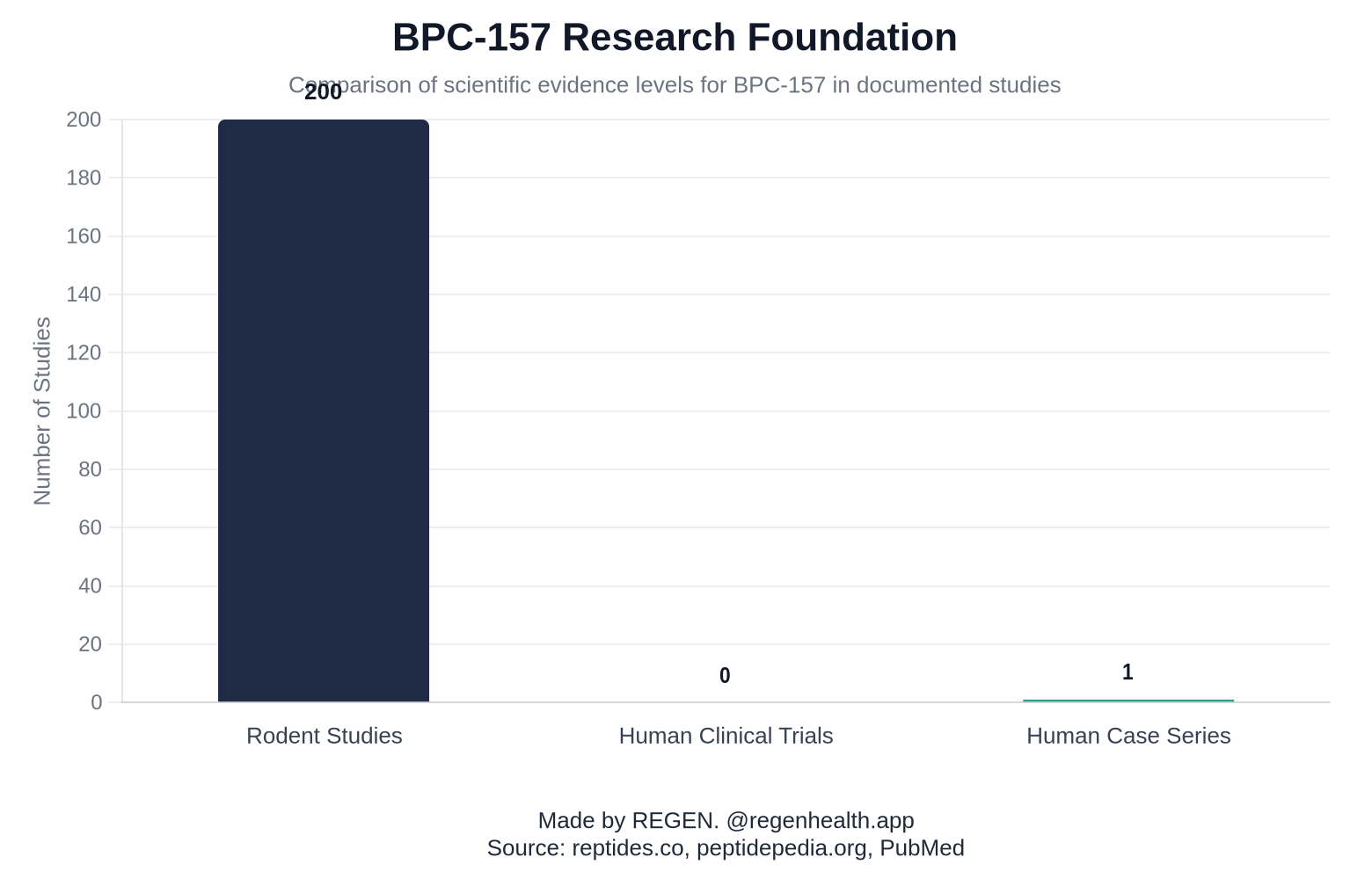
The consistency of the animal data is notable within the literature. Studies across two decades consistently demonstrate positive healing effects in rodent models for various musculoskeletal soft tissue injuries. These models frequently measure the tensile strength of healing tendons and ligaments. While these physiological changes are well documented in rats, they do not automatically translate to human physiology. The structural differences between species mean that the repair signals observed in rodents require validation in human subjects before clinical efficacy can be established.
The lack of human trials
Human clinical data remains sparse and methodologically limited compared to the robust animal literature. There are currently no published controlled human randomized clinical trials evaluating the safety or efficacy of this peptide for systemic tissue repair or inflammatory modulation.
The current human evidence base is restricted to isolated observations rather than structured clinical trials. A single human case series reported improvements in pain after intra-articular knee injections of BPC-157, though it had significant methodological flaws and lacked controls. This critical gap highlights the necessity of relying on verified clinical data. Without randomized trials to set the standard, the human response remains highly variable. Assessing its safety profile requires acknowledging that long term side effects in humans are entirely undocumented in the peer reviewed literature.
Tracking systemic inflammation
Understanding the systemic response to experimental peptides requires objective biomarker tracking. Researchers emphasize monitoring inflammatory markers like C-reactive protein to verify actual systemic response versus localized physiological changes. Monitoring these specific molecular indicators prevents a reliance on subjective symptom reporting.
The integration of bloodwork into research protocols allows for precise measurement of how these compounds modulate internal pathways. A broader Clinical Evidence Reality Check: BPC-157 and GHK-Cu contextualizes how these markers align with observed biological signaling. By syncing experimental dosing to bloodwork markers, researchers can calibrate recovery timelines against molecular evidence of systemic anti-inflammation. This methodological rigor separates evidence based investigation from speculative supplement protocols.
Gastric mucosa and tissue recovery
The compound was originally isolated from human gastric juice and has been studied extensively for its effects on mucosal linings. This localized activity in the gut informs the broader systemic hypotheses currently being tested in various soft tissue animal models.
Research into gastric healing provides insight into the primary biological function of the sequence. The Mechanisms of BPC-157 in GI Mucosal Integrity involve the upregulation of specific growth factors and the direct suppression of pro-inflammatory cytokines. This targeted pathway modulation is what researchers attempt to replicate when applying the peptide to systemic joint and tendon injuries. The transition from localized gastric repair to systemic application remains the central question in ongoing pharmacological investigations.
Frequently asked questions
Is apeiron BPC-157 legit?
Apeiron BPC-157 refers to a specific brand formulation of this research compound, but like all forms of BPC-157, it is not FDA-approved for human use. Consumers must rely on third-party testing to verify purity since the experimental peptide market remains unregulated.
Is BPC-157 hard on your liver?
Animal studies on BPC-157 show no acute toxicity across major organ systems, including the liver, at varying doses over six weeks. However, the complete absence of human clinical trials means that long-term hepatic safety profiles in humans remain unverified.
Does oral BPC-157 actually work?
Oral administration is frequently researched for gastric applications due to the compound's stability in gastric juice. While rodent models demonstrate localized mucosal healing and some systemic effects, clinical efficacy in humans via the oral route is not established.
What is pda vs bpc 157?
Pentadeca arginate (PDA) is a specific salt form of BPC-157 designed to increase the peptide's stability in gastric acid. Researchers use the arginate form primarily for oral administration studies in animal models to prevent rapid degradation before absorption.